
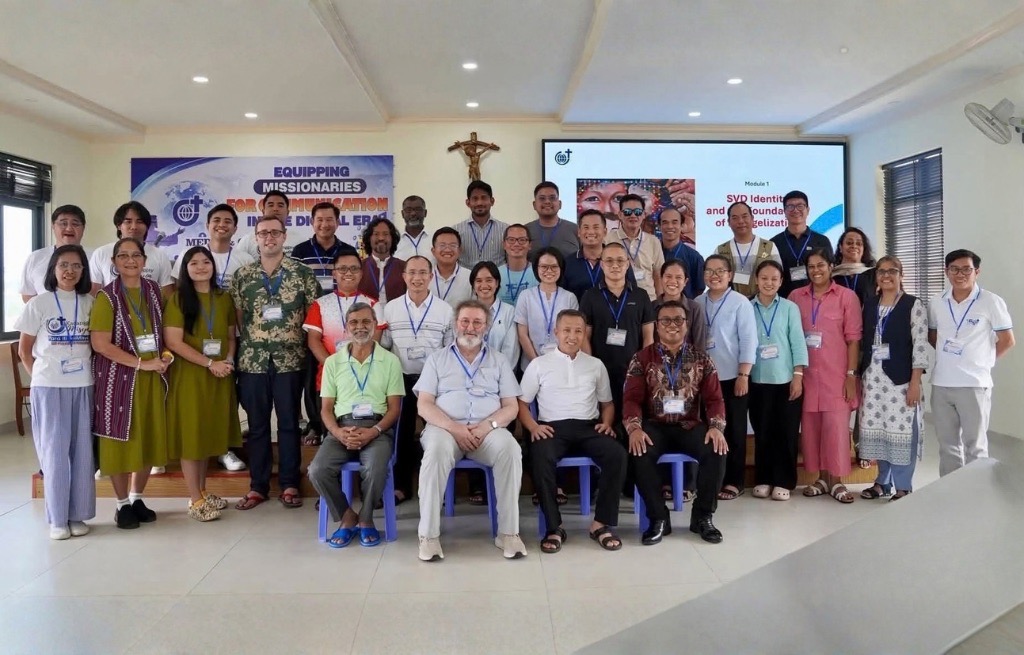
A media and communication workshop in Vietnam brought together SVD and SSpS missionaries and lay partners reflect on digital communication as part of mission.
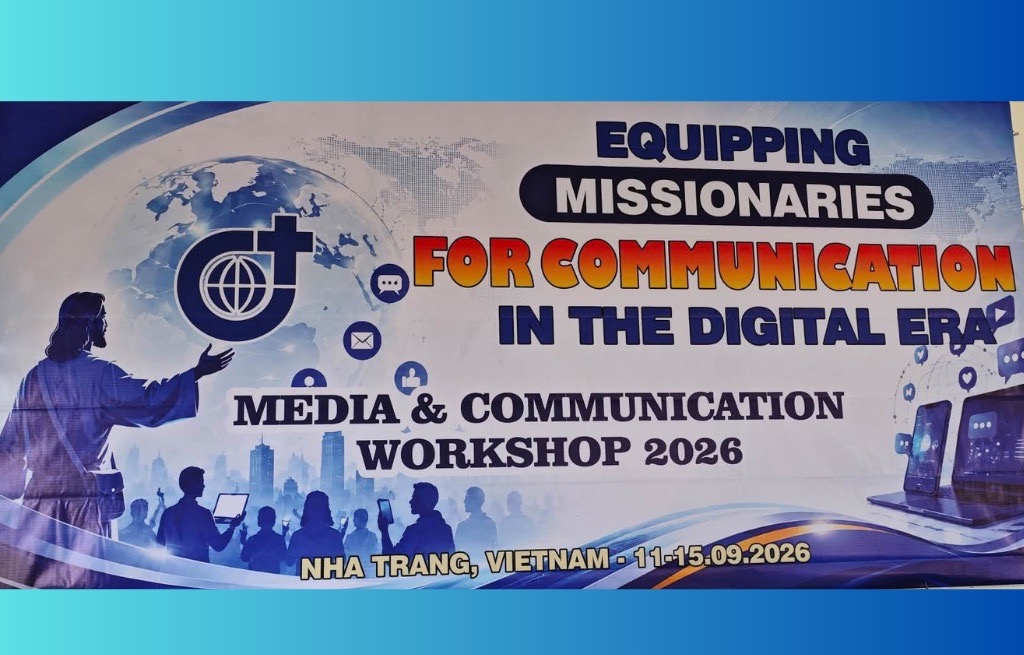
Thirty-seven participants from the Society of the Divine Word (SVD), the Missionary Sisters Servants of the Holy Spirit (SSpS) and lay partners gathered in Nha Trang, Vietnam from September 11 to 15, 2026, for a five-day Media and Communication Workshop on how missionaries can communicate the Gospel faithfully in a rapidly changing digital world.
How can missionaries communicate the Gospel faithfully in a rapidly changing digital world? This question was at the heart of the workshop, which explored communication not simply as a technical skill, but as an essential part of missionary presence, dialogue and evangelization.
Communication as an integral part of mission
From the beginning, participants were invited to look at communication as an integral part of mission. The workshop combined theological reflection with practical training, helping participants discover how today’s media can be used creatively and responsibly to share the Gospel and tell the stories of the people and communities they serve.
Communicating with responsibility
The workshop opened with a keynote address by Fr. John Baptist Duy Huu Nguyen, SVD, Provincial Superior of the Vietnam Province, who welcomed the participants on behalf of the province.
Reflecting on communication challenges faced by the Church in Vietnam in recent years, Fr. Duy highlighted the responsibility Christian communicators carry, especially when dealing with sensitive situations. He emphasized three principles: truth must guide communication, human dignity must remain at the centre, and communication should always serve the good of others.
In an age shaped by social media and Artificial Intelligence, technology offers powerful ways to reach people. Yet Fr. Duy reminded participants that technology must remain a tool for mission rather than becoming its master. The communicator’s task is not simply to produce more content, but to bring more light into society.
He encouraged participants to develop three essential attitudes: listen before communicating, clarify before sharing, and communicate responsibly.
Weaving the Word in the digital world
Fr. Kasmir Nema, SVD, General Communication Coordinator, presented the keynote “Weaving the Word: Digital Communication as Prophetic Dialogue and Missionary Communication.”
He invited participants to see the digital world as a new mission territory—a place where people live, interact, search for meaning and encounter one another. Drawing inspiration from St. Arnold Janssen, Fr. Kasmir recalled how the founder of the SVD used the printing press as an instrument of evangelization. Today, smartphones, digital platforms and algorithms have become powerful instruments for reaching people beyond geographical boundaries.
Fr. Kasmir also reflected on the biblical images of Babel and Jerusalem. Babel represents a world filled with voices but lacking understanding, while Jerusalem points towards communication that creates communion and encounter.
The missionary communicator, therefore, is called not simply to transmit information but to weave relationships. He described this vocation through the image of weaving: SVD communicators weave memory into living witness, SSpS Sisters weave contemplation into public voice, and lay partners weave everyday life into communion.
Communication as mission
The theological dimension of communication was explored by Fr. Christian Tauchner, SVD. Drawing from Scripture, Church documents and SVD General Chapter documents, he presented communication as an essential part of human existence and God’s relationship with humanity.
The story of salvation, he explained, is fundamentally a story of God’s communication with humanity, culminating in Jesus Christ, the Word made flesh. Communication, therefore, is not simply something the Church does; it is deeply connected to how God encounters and accompanies people.
For missionaries, this means more than delivering information. It means listening to people’s stories, understanding their realities and entering into dialogue with them. Communication becomes a ministry of encounter, accompaniment and hope.
Fr. Tauchner encouraged participants to engage with the realities of digital culture, social media and Artificial Intelligence while maintaining discernment, authenticity, sensitivity and respect for human dignity. A photograph, video, article, podcast or social media post can become an opportunity to share hope, give visibility to unheard voices and communicate God’s presence in everyday life.
Developing practical media skills
The workshop also gave participants opportunities to strengthen practical skills needed for today’s missionary communication. Alongside reflection on communication, participants engaged with areas such as photography, filming, video production, graphic design, storytelling and news writing.
These skills were presented not simply as technical abilities, but as tools for mission. A photograph can preserve a meaningful moment and introduce people to realities they may never encounter personally. Video can bring missionary experiences and human stories to a wider audience, while thoughtful graphic design can make messages clearer and more engaging in digital spaces.
The emphasis was on using creativity in service of the message and the people behind each story.
Telling the mission story
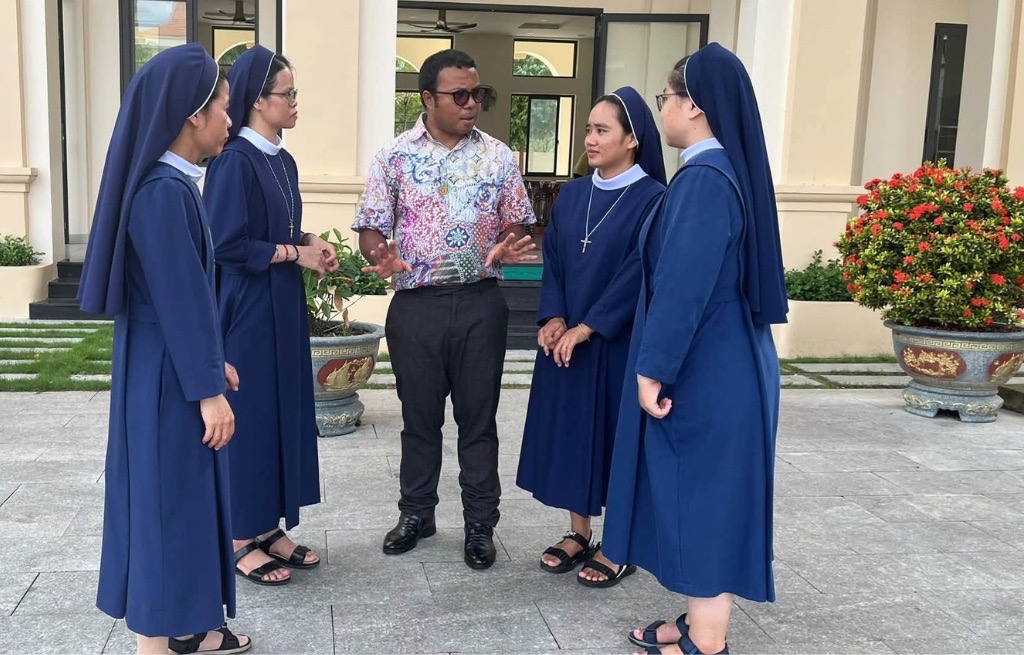
Fr. Kasmir also led participants through the foundations of storytelling and news writing. One important insight was that “a mission story is more than a news story.” Behind every activity are people, experiences, struggles, hopes and faith. Good missionary communication seeks to reveal these dimensions rather than simply report what happened.
Participants also reflected on the responsible use of photographs and digital content, including copyright, attribution and respect for the dignity of the people whose stories they tell.
The learning continued through practical group activities. Participants created headlines and developed them into lead stories, applying what they had learned about identifying the news angle and communicating clearly. The exercises encouraged creativity, collaboration, observation and discernment.
Carrying the mission forward
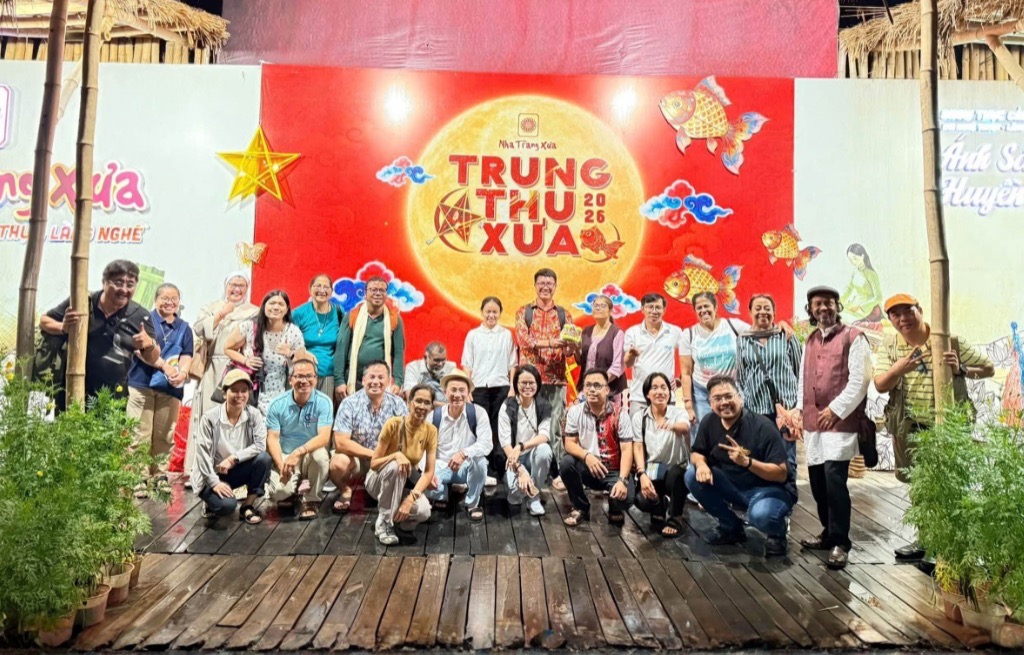
After five days of learning, reflection and practice, the workshop concluded on September 15. Participants left with new practical skills as well as a renewed understanding of communication as an integral part of missionary vocation.
The workshop brought together faith and media, reflection and practice, creativity and mission. It encouraged participants to see themselves not simply as content producers, but as missionary communicators called to listen deeply, tell stories truthfully, respect human dignity and use technology responsibly.
In a world filled with information, the challenge is not simply to communicate more, but to communicate with purpose. For the missionary communicator, every story, photograph, video or digital message can become an opportunity to build bridges, foster understanding and share hope.
Ultimately, the workshop offered a simple but powerful reminder: communication is part of the mission. When rooted in truth, dignity and service, it can become a way of bringing more light to the digital world and to the people who inhabit it.
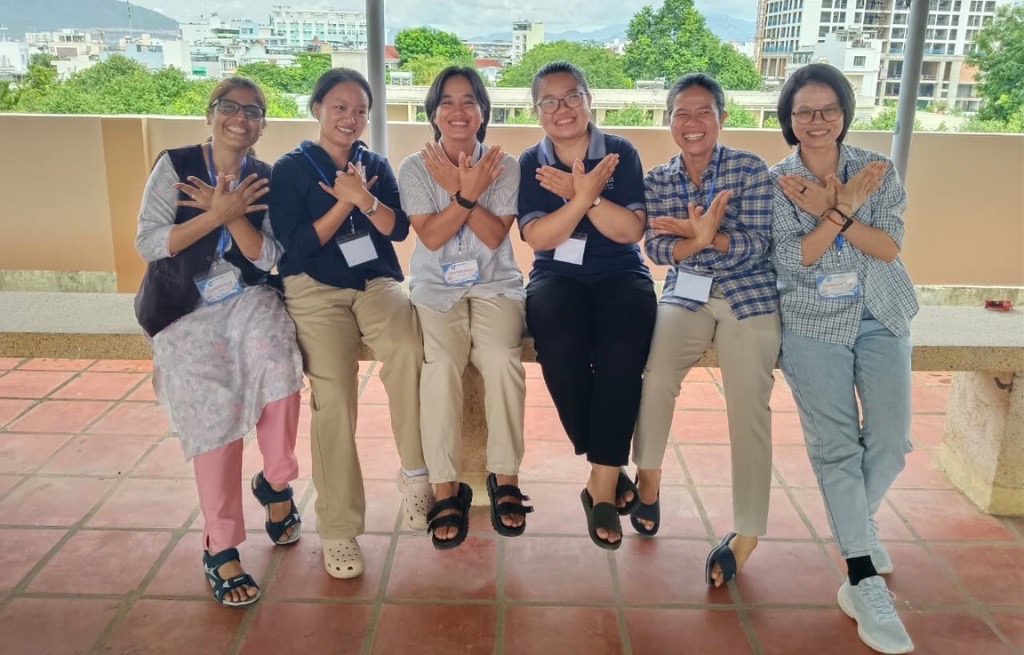
The six SSpS carry the mission forward to their communities.
Sr. Khuat Kim Phuong, SSpS – Region of Vietnam

