
Amidst devastating scarcity, the SSpS sisters in Cuba offer a powerful witness of hope, presence, and concrete solidarity with a suffering people.
Understanding the World Through Mission
 Learning about the realities of other peoples is one of the main aims of the 2026 Week Without Borders, promoted by the Missionary Servants of the Holy Spirit Education Network (SSpS). More than discovering cultural, geographical, or historical aspects, the goal is to bring students closer to the stories of people who, in different parts of the world, daily witness the strength of hope and solidarity.
The Sisters’ Mission in Cuba
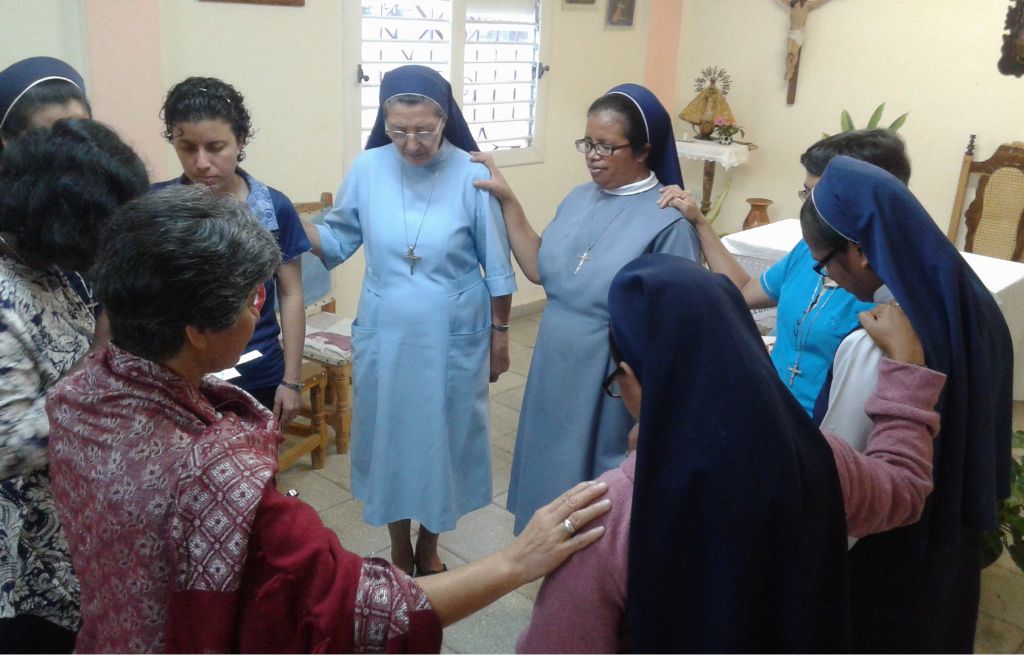 This year, one of the countries included in the project is Cuba, where the SSpS carry out their mission alongside a people marked by profound economic and social difficulties. Amidst the scarcity of food, medicine, electricity, water, and other essential resources, they remain present, offering care, listening, prayer, and concrete signs of God’s presence.
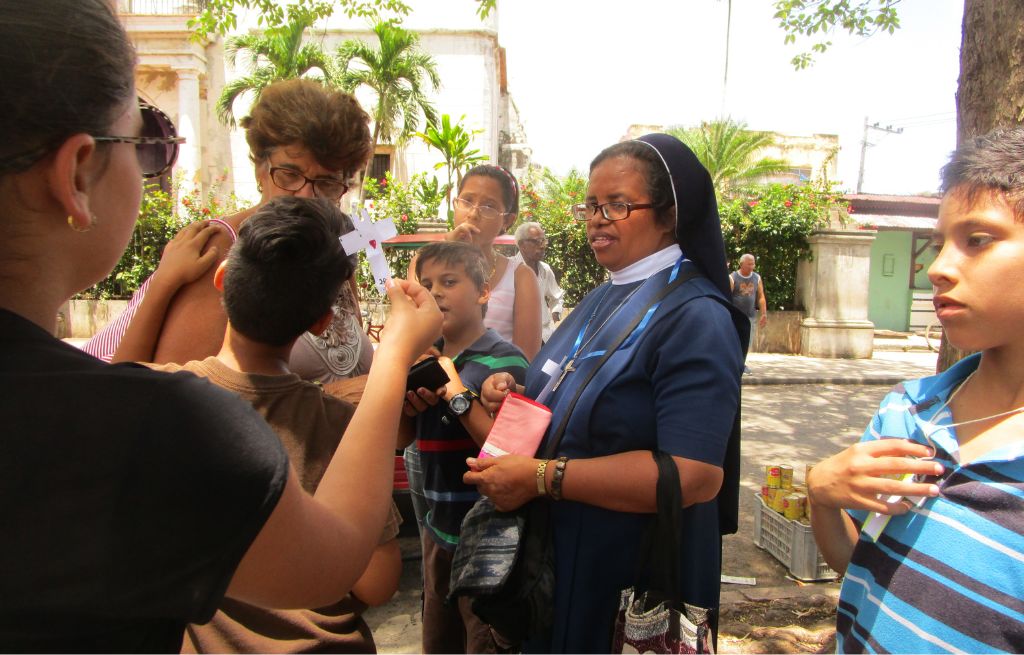
The sisters’ mission reveals the true meaning of the missionary charism: to remain with the people, especially when reality seems to take away all hope. In Cuba, evangelizing also means sharing the little one has, walking alongside those who suffer, and remembering that human dignity can never be lost.
An Eyewitness Account of the Crisis
 In a message sent directly from Cuba, Sister Rani, SSpS, sensitively describes the reality experienced daily by the Cuban people:
“Cuba is suffering terribly. Cuba is in darkness, thirsty, hungry… but not without God. Today, in Cuba, to live is to resist. Every day, it becomes more difficult to obtain the basics: water, food, electricity, medicine. The people can’t take it anymore. But they can’t shout either. Those who protest in the streets are punished with imprisonment. Thus, the pain is swallowed in silence, and one dies little by little.”
Walking the Streets of Cuba
 Going out on the street hurts. It hurts to see elderly people carrying buckets and jugs, walking kilometers under the sun to find a drop of water. It hurts to see them without breakfast, because their daily bread isn’t enough. If you find some on the street, eight loaves cost 400 pesos. With a check for 2,000 pesos, what can you buy?
It hurts to see entire nights without sleep: due to the heat, the mosquitoes, the hunger, and the anguish. No shower, no food, no blood pressure medication because it’s not available at the pharmacy.
Independent vendors sell everything, but at very, very high prices. Only those with dollars survive. Most people are getting sick because of stress and sadness. People are going crazy. People are dying.
“Sister, I can’t take it anymore. This isn’t life”—that is what we hear every day.
Bringing Hope in the Desert
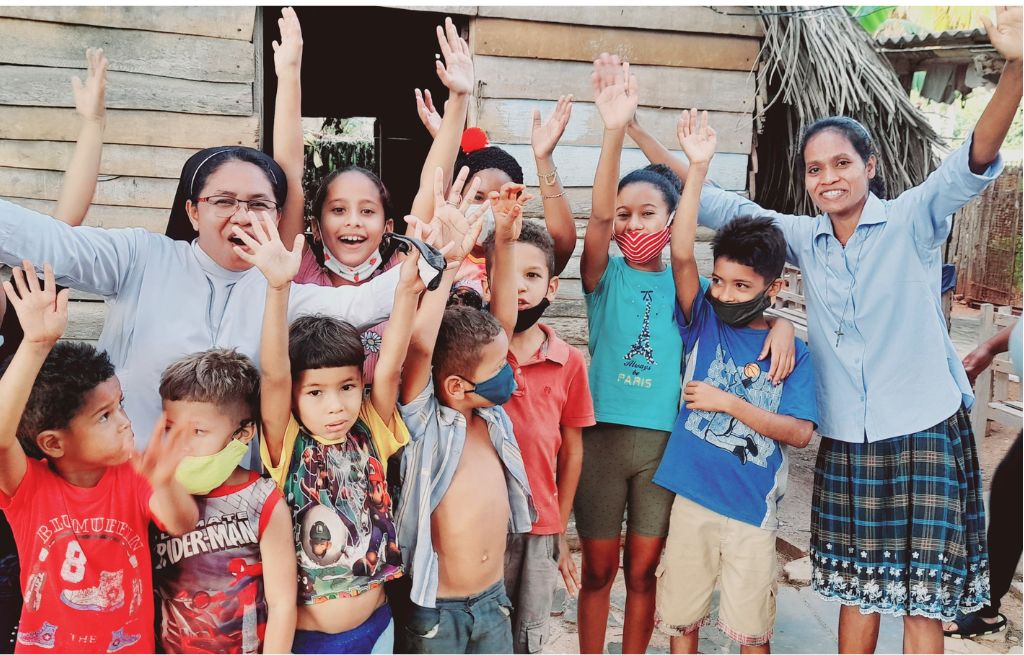
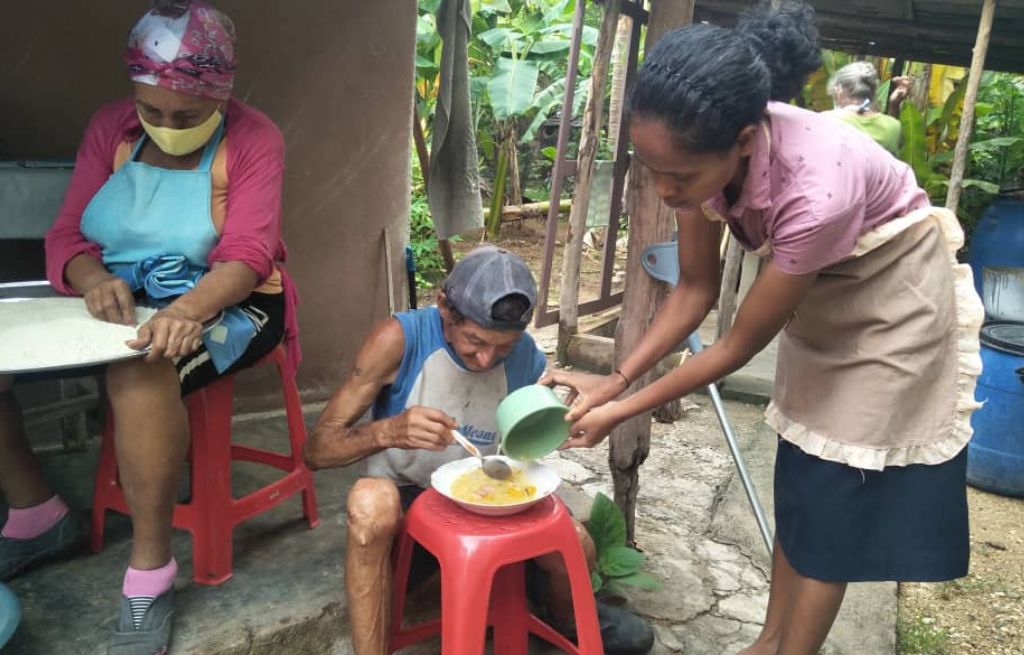
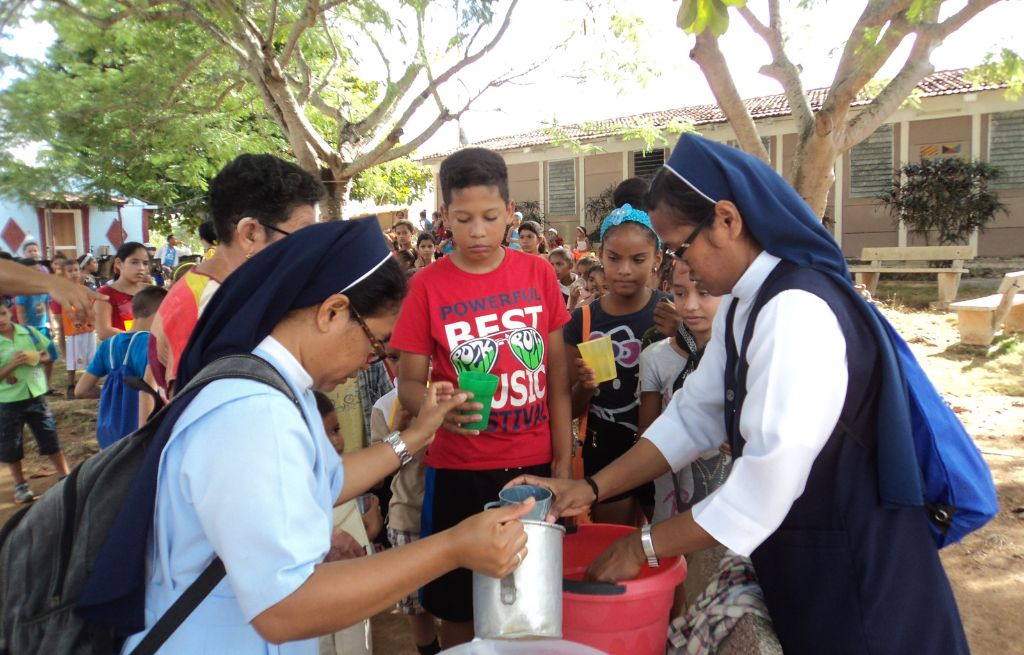
In the middle of the desert, however, we are. We are with our people. Bringing them a plate of food, medicine, soap, a bottle of water brought from afar. And, above all, accompanying them in faith. Praying together when there is no electricity.
We trust in Almighty God. He sees thirst, hunger, and weariness. He is the Living Water and the Bread of Life. Just as He breathed on the frightened apostles, He will breathe on Cuba.
Virgin of Charity, do not abandon your people.
“There’s no electricity… There’s no internet.”
Beyond Information: An Invitation to Solidarity
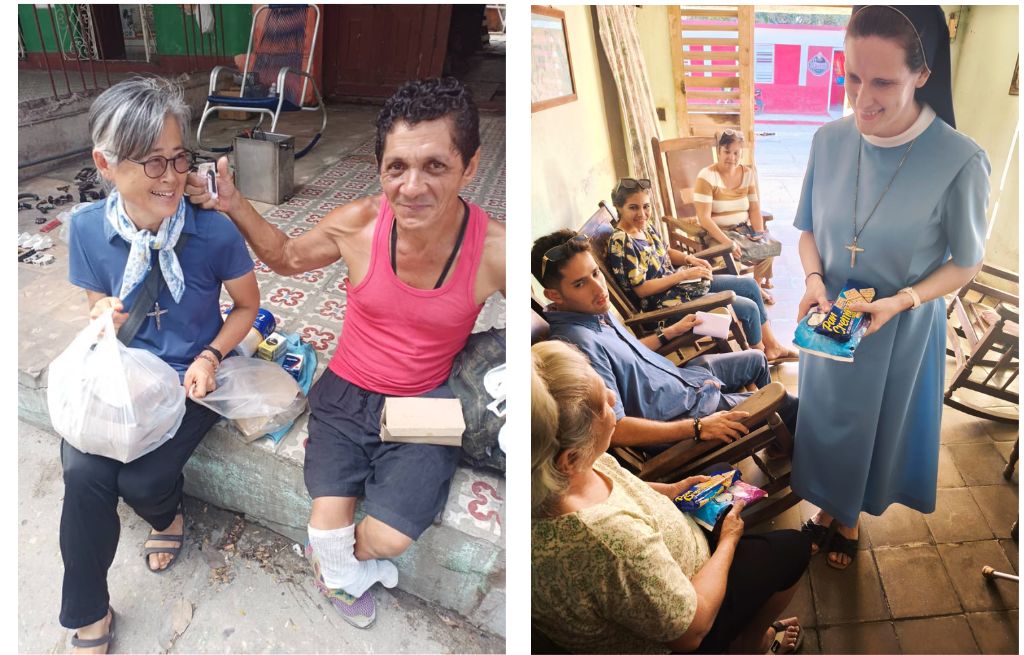
The account goes beyond mere information. It invites us to look at a reality that often remains distant from our eyes, but which is part of the lives of thousands of people. At the same time, it reveals the strength of a Church that remains present, silent, and committed to the most vulnerable.
It is precisely this perspective that the Week Without Borders aims to awaken in the students of the SSpS Education Network. By learning about the mission carried out in Cuba, they will be invited to reflect on the value of solidarity, sharing, social justice, and the hope that springs from faith.
What Sustains the Mission: Presence
While many structures seem to be lacking, what sustains the mission remains: presence. The presence of religious sisters who choose to remain alongside the people. The presence of communities that continue to pray even when the lights go out. The presence of God, who never abandons those who suffer.
A Window to the World
Throughout the 2026 Week Without Borders, Cuba will be a window to understanding that mission doesn’t only happen in distant places, but always wherever someone decides to transform compassion into concrete action. May the witness of the missionary sisters, servants of the Holy Spirit, inspire our schools, educators, families, and students to recognize that hope can flourish even in the most challenging scenarios. And that, when we allow ourselves to be touched by the reality of others, we also broaden our commitment to caring for life and building a more fraternal, just, and borderless world.
About the Week Without Borders 2026
The Week Without Borders is a project of the SSpS Education Network. It invites students, educators, and educational communities to transcend geographical and cultural boundaries to learn about the missionary presence of the sisters in different parts of the world. In 2026, the SSpS mission in South Korea, Cuba, Angola, Spain, and Vietnam will be presented.
By Agostinho Travençolo Junior, educator and coordinator of the Missionary Servants of the Holy Spirit Education Network.
Edited by: SSpS Brazil Communication Team.
Source: https://blog.ssps.org.br/cuba-quando-a-esperanca-resiste-no-meio-da-escassez

