
What happened on August 14 in the small Indigenous community of Tekoha Y’apo is not just a distant news report—it is a story of people, of faith, of struggle, and of injustice.
The Events of August 14, 2026
 On August 14, 2026, something deeply troubling occurred in the small Indigenous community of Tekoha Y’apo, located in Corpus Christi, Paraguay. That day, an operation named “Operación Redención,” led by the National Anti-Drug Secretariat (SENAD) and the Internal Defense Operations Command (CODI), was executed in the community.
Without any judicial order, public security forces entered the community violently. Helicopters flew low over the homes of families, even landing among them, interrupting the celebration of Children’s Day. There was no warning, no legal document presented—only force. Several members of the community were arrested, including Mr. Bruno López.
Two respected members of the community—the leader, Antonio Carrillo, and a teacher, Catalino Correa—lost their lives. The official version described the procedure as an armed confrontation. However, the Tekoha Y’apo community firmly rejected any connection between the deceased and criminal groups. Through statements and video recordings, community members denounced torture and extrajudicial executions. They asserted that the victims were completely unarmed and that no judicial search warrant was ever presented.
Claudelina Saucedo, widow of the Indigenous leader, related that her husband was summoned to a meeting to discuss the land dispute. According to her testimony, they were tortured and later killed—it was an ambush.
A History of Land Dispossession
This community is not an illegal settlement. It is officially recognized by the government, with its land legally demarcated under national law. For over thirty years, the people of Tekoha Y’apo have been defending their territory. As early as 2014, the community had endured violence at the hands of vigilante groups linked to agribusiness interests seeking to dispossess them of their ancestral lands.
Days before the tragic events, Carrillo had signed a complaint addressed to the Minister of the Interior concerning a defamation campaign linked to attempts to remove them from their land. They even had willingly presented themselves to authorities, ready to cooperate if need. However, instead of dialogue, they were met with violence.
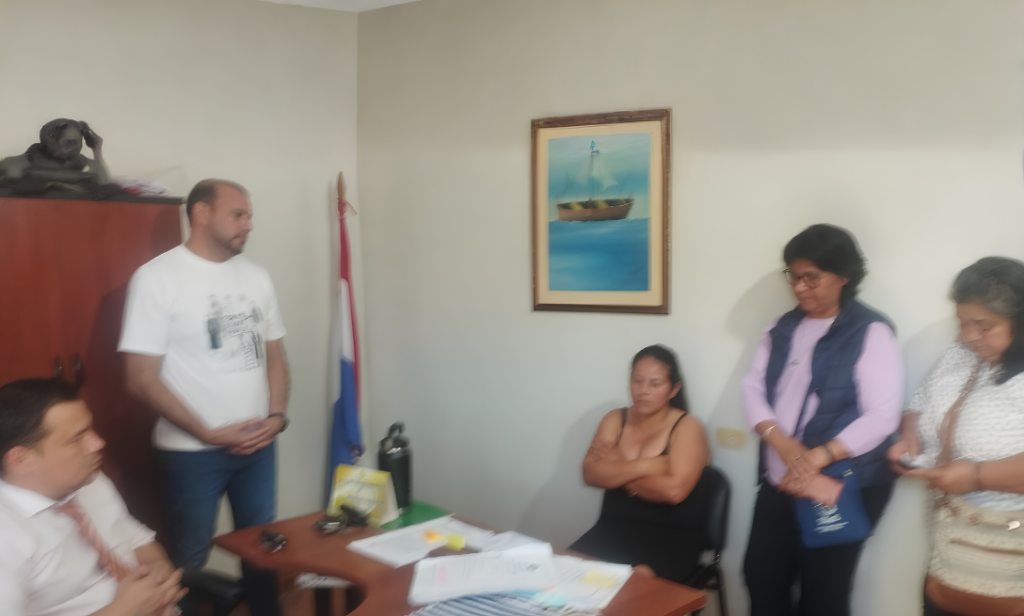
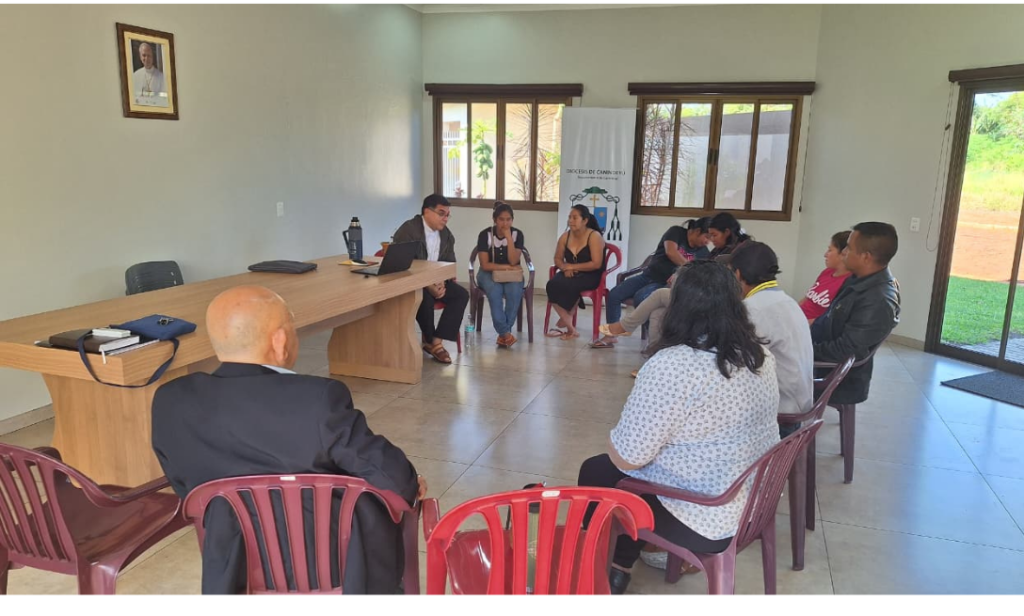
In 1976, steps were taken to re-engage with Indigenous communities. In 1977, the mission continued on a permanent basis with the Sisters settling among the Indigenous. The return of the Holy Spirit Sisters came 53 years after the departure of the first mission.
From the beginning, the SSpS made a commitment to accompany legal land procedures and schooling. They started the first school with 15 pupils and a small pharmacy in Arroyo Guazú. Education was always differentiated according to the culture of the Ava Guarani. A small school and a flag at the entrance of the community meant that there was an indigenous community and an institution recognised by the government and someone who could help them defend their rights.
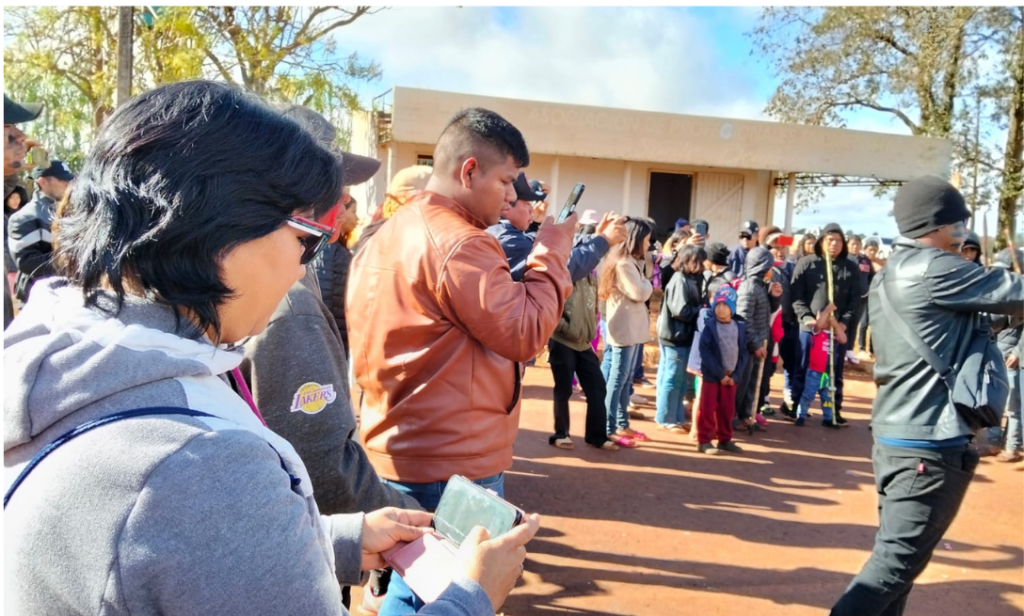 The Sisters have been working with great hope to ensure that Indigenous peoples are recognised and respected in their dignity as children of God, through the promotion of ethnic education, ethnic medicine, agroforestry, interfaith dialogue, and cultural revitalisation. Sr. Mariblanca Barón SSpS had a 47-year journey with the Ava Guarani people. The Sisters have accompanied more than 50 communities with legal advice to recover their territories.
The Wider Reality
Indigenous communities are meant to be protected both by national constitutions and international agreements. Yet here we see a painful contradiction between what is promised and what is lived. In 2021, 11 communities were evicted, displacing 500 families. Many communities continue to be overrun by soya farmers, loggers, and others. Every day they live in uncertainty that their community will be evicted, generating anxiety and diminishing hope for a dignified future.
A Call for Justice and Solidarity
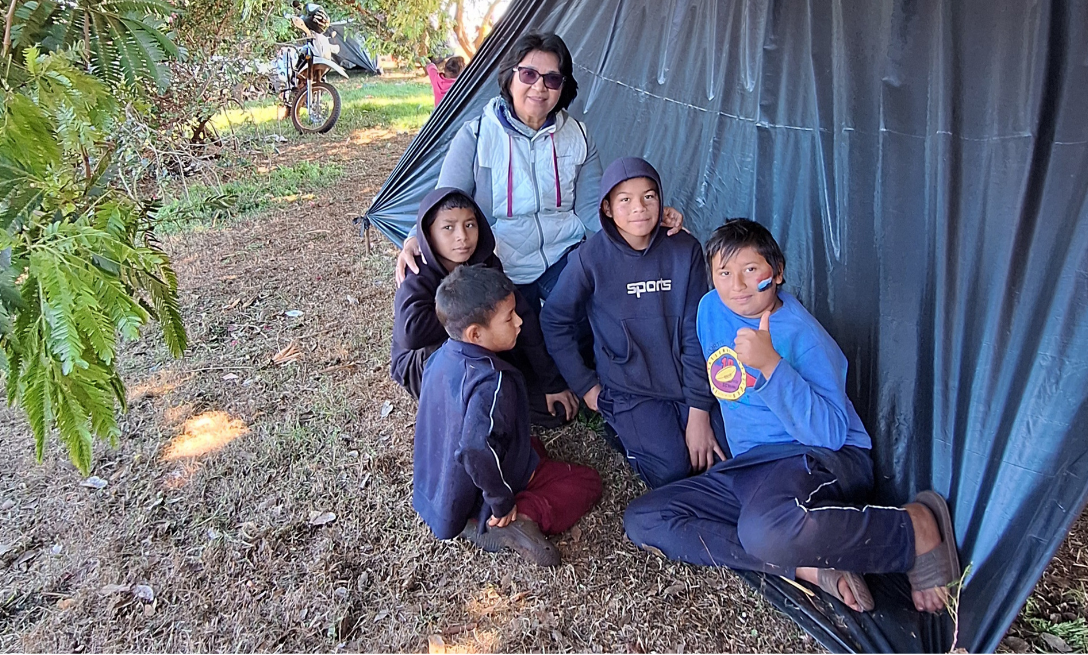 The Paraguayan Conference of Religious expressed its “profound pain, consternation and indignation” at the serious events and solidarity with the affected community. The Church has demanded a “serious, independent, thorough and transparent” investigation. Conferpar insisted that the State “cannot arrive only after the violence,” but must prevent it and effectively guarantee rights. “We cannot get used to conflicts related to land and territory ending in human lives,” the organization pointed out.
Conclusion
As SSpS, we feel closely connected to this reality. Our mission calls us to stand where life is threatened, where voices are silenced, and where dignity is denied. This community, wounded by the violent loss of two of its members, has every right to be heard, to be protected, and to come to the truth of what has happened. Let us hold in our hearts and prayers the entire community, who continue to live with fear, grief, and uncertainty. May this story be a call within us to be more attentive, more courageous, and more united in solidarity with those who suffer injustice.
Sr. Francisca Garcete, SSpS – Province of Paraguay

